
Table of Contents
Training Board Members: Building Competence, Confidence, and Strategic Oversight
- CLFI Team
- 3 min. read
Introduction
The role of a board member has evolved far beyond periodic oversight. In a complex regulatory and strategic environment, directors are expected to guide their organisations through uncertainty, interpret financial and operational information with confidence, and uphold high standards of governance and ethics. Yet only a small fraction of directors worldwide have ever received formal governance education — a gap that limits not only board performance but also organisational resilience.
Structured training for board members provides the foundation for effective oversight and sound decision-making. It equips leaders with the knowledge to balance opportunity and risk, challenge management constructively, and align board strategy with stakeholder interests. This article explores what board training involves, why it matters, and how it strengthens the collective competence of modern boards.
Table of Contents
- Why Board Training Matters
- Core Areas of Director Training
- Governance Frameworks and Legal Duties
- Financial Literacy and Decision-Making
- Risk Oversight and Strategic Judgement
- Developing Board Culture and Performance
- Board Training in Practice
- Explore Further from CLFI Insight
Why Board Training Matters
Boards play a decisive role in shaping long-term corporate success, yet data consistently shows that most directors receive little or no formal preparation for their responsibilities. According to multiple governance institutes, fewer than one in ten directors worldwide hold a formal governance qualification. This deficit contributes to inconsistent oversight, weak accountability, and missed opportunities for strategic value creation.
Effective board training addresses this gap by clarifying both the legal obligations of directors and the strategic expectations of their role. It moves beyond compliance to develop judgement — the ability to assess competing interests, interpret complex information, and act with integrity. In practice, well-trained boards lead to improved risk management, stronger stakeholder confidence, and more consistent alignment with corporate purpose.
Core Areas of Director Training
Comprehensive training for board members typically spans three interconnected domains: governance frameworks, financial competence, and strategic leadership. Together, these ensure directors can fulfil their duties responsibly and contribute meaningfully to organisational direction.
At CLFI, the Executive Certificate in Corporate Finance, Valuation & Governance integrates these dimensions across modular courses in Corporate Governance, Corporate Finance, Business Valuation, Private Equity, and Mergers & Acquisitions — equipping participants to engage at board level with confidence and precision:contentReference[oaicite:0]{index=0}.
Definition:
Board Training
A structured process that develops directors’ understanding of governance, finance, and strategy to enhance board effectiveness and accountability.
Governance Frameworks and Legal Duties
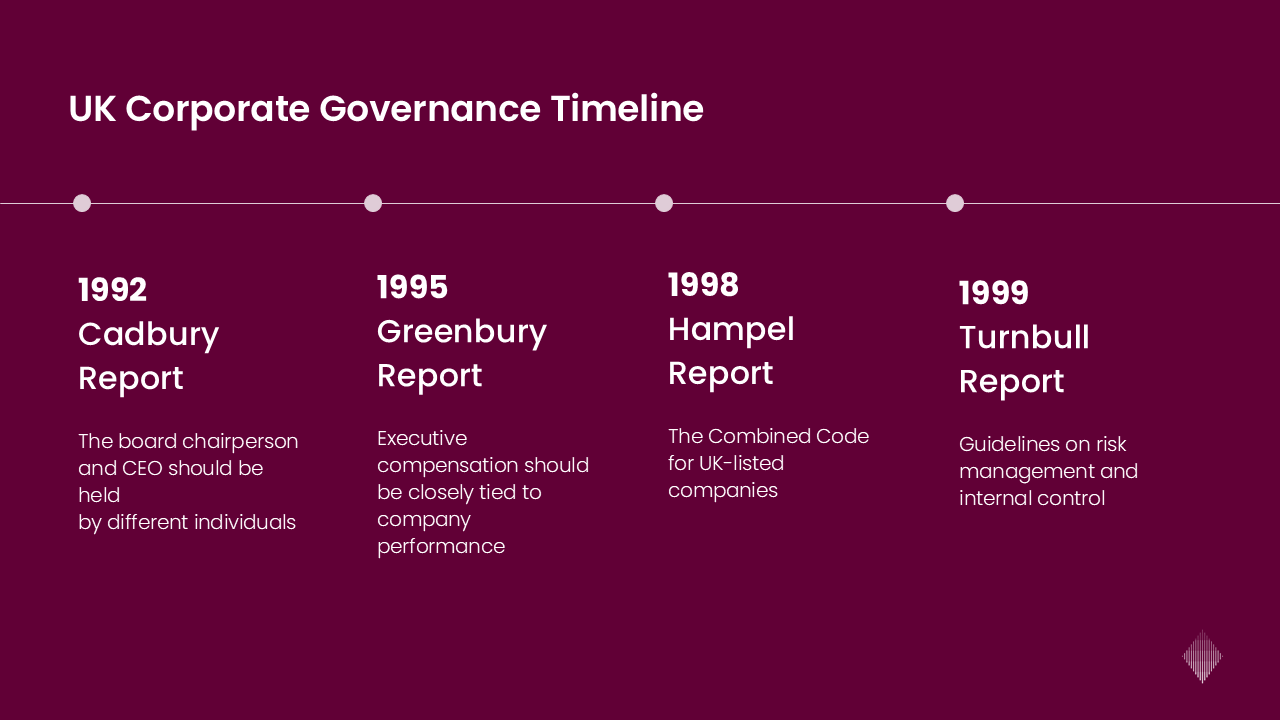
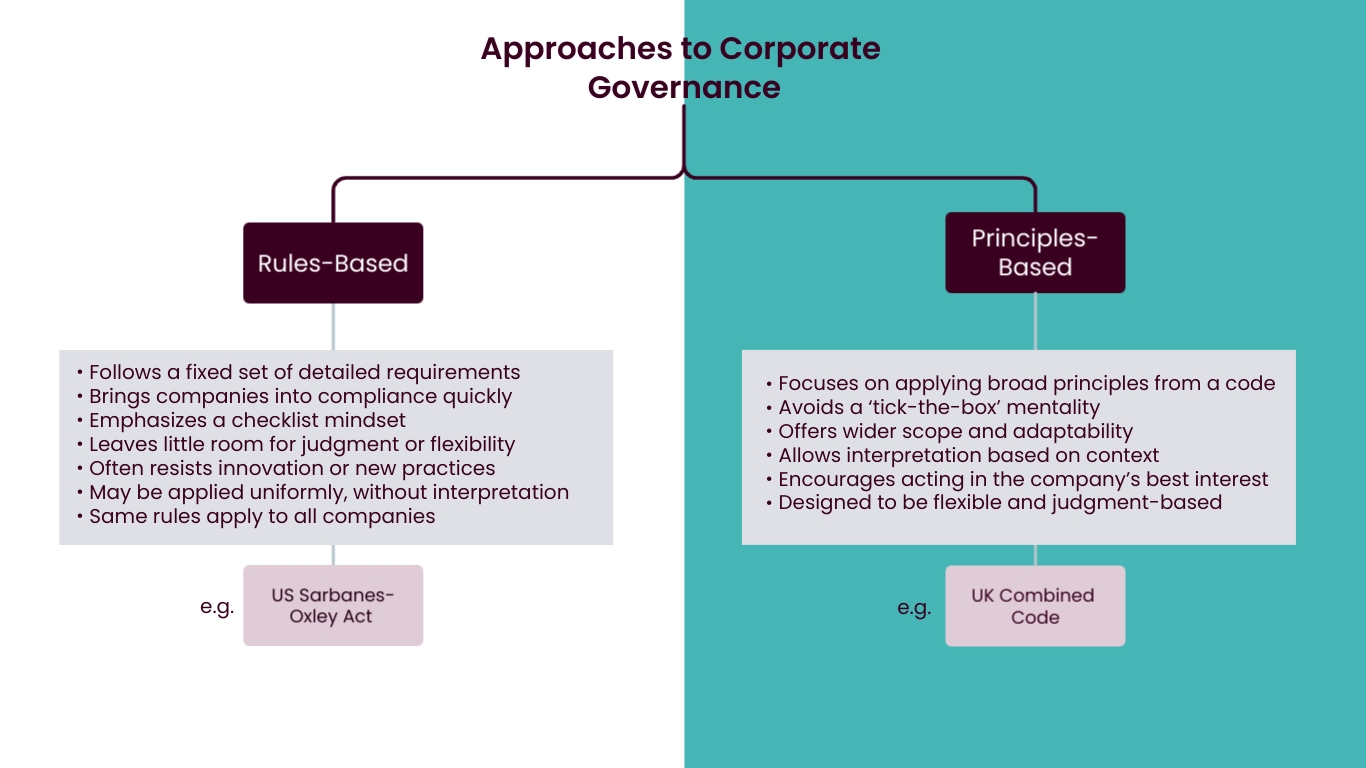
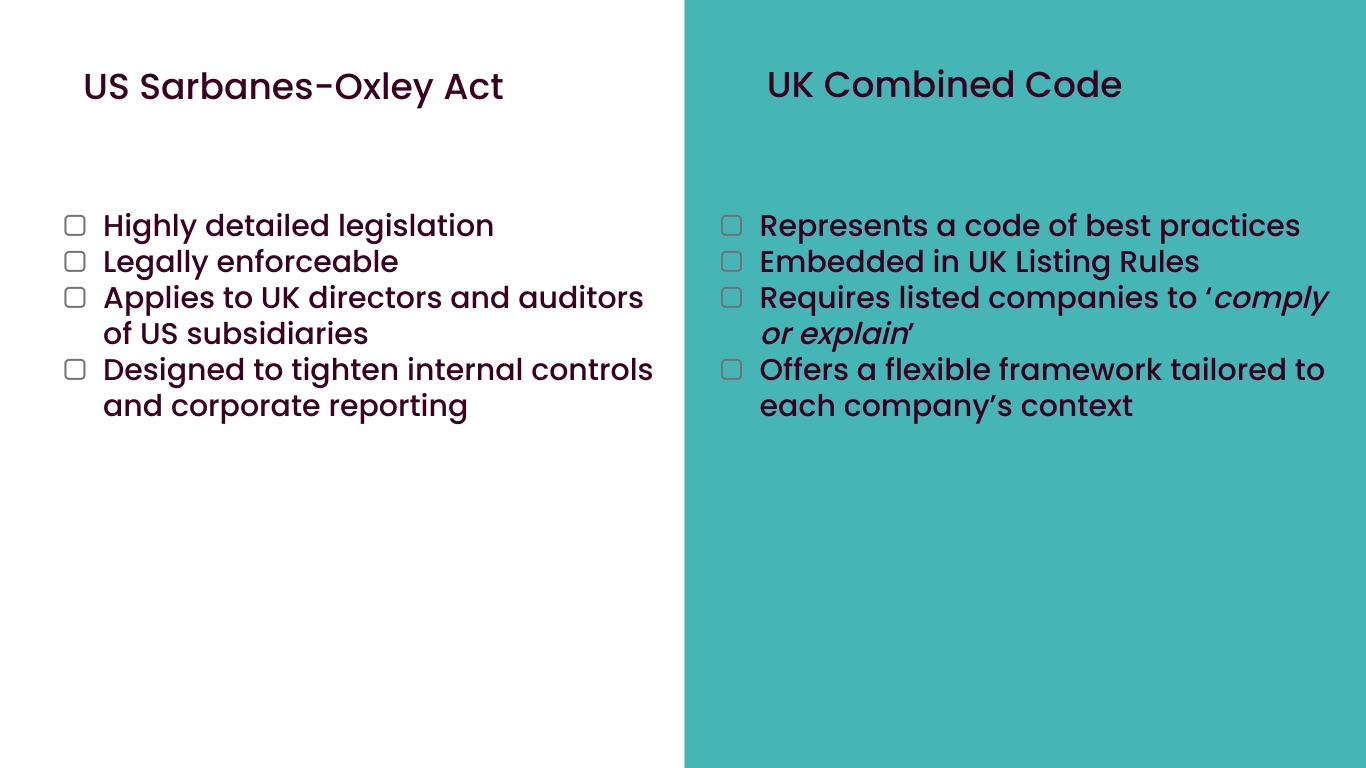
Every board member must understand their fiduciary duties — care, loyalty, and obedience — and the governance codes that regulate board conduct. In the UK, the UK Corporate Governance Code and the Companies Act 2006 define directors’ responsibilities, from acting in good faith to promoting the success of the company for the benefit of its stakeholders. Comparable frameworks exist globally, including Sarbanes–Oxley in the US and the OECD Principles of Corporate Governance.
Grow expertise. Lead strategy.
Build a better future with the Executive Certificate in Corporate Finance, Valuation & Governance.
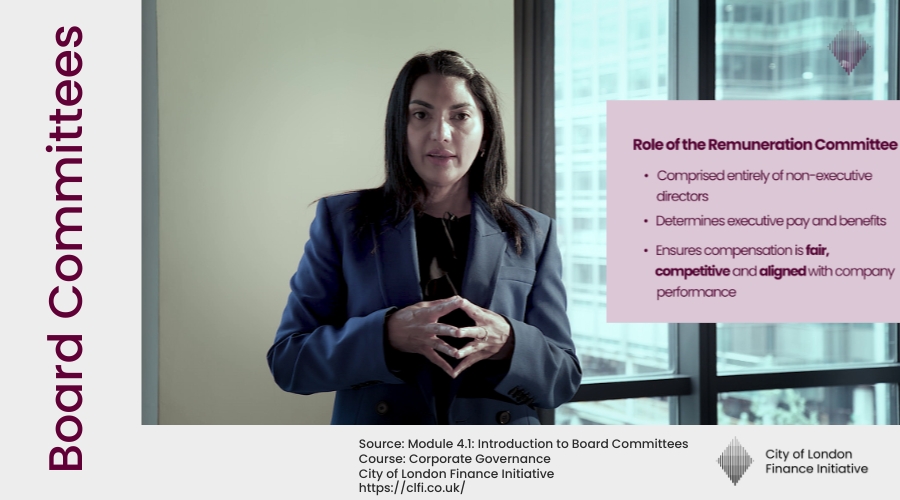
Training programmes that integrate these frameworks enable directors to recognise their accountability not only to shareholders but to the wider community of employees, regulators, and society. They also explore the role of board committees — audit, risk, remuneration, and nomination — each designed to strengthen internal control and independence.
By mastering these principles, directors develop a framework for ethical and transparent governance. They become more capable of identifying governance failures before they escalate — a critical advantage, given that poor governance remains one of the leading causes of corporate collapse.
Financial Literacy and Decision-Making
Financial fluency lies at the core of effective governance. Directors are not only custodians of strategy but also interpreters of the company’s financial position and risk profile. Understanding how value is created, financed, and sustained enables the board to question management with precision and to identify early signals of underperformance. Without this foundation, oversight becomes reactive rather than strategic, reducing the board’s ability to guide the organisation toward sustainable growth.
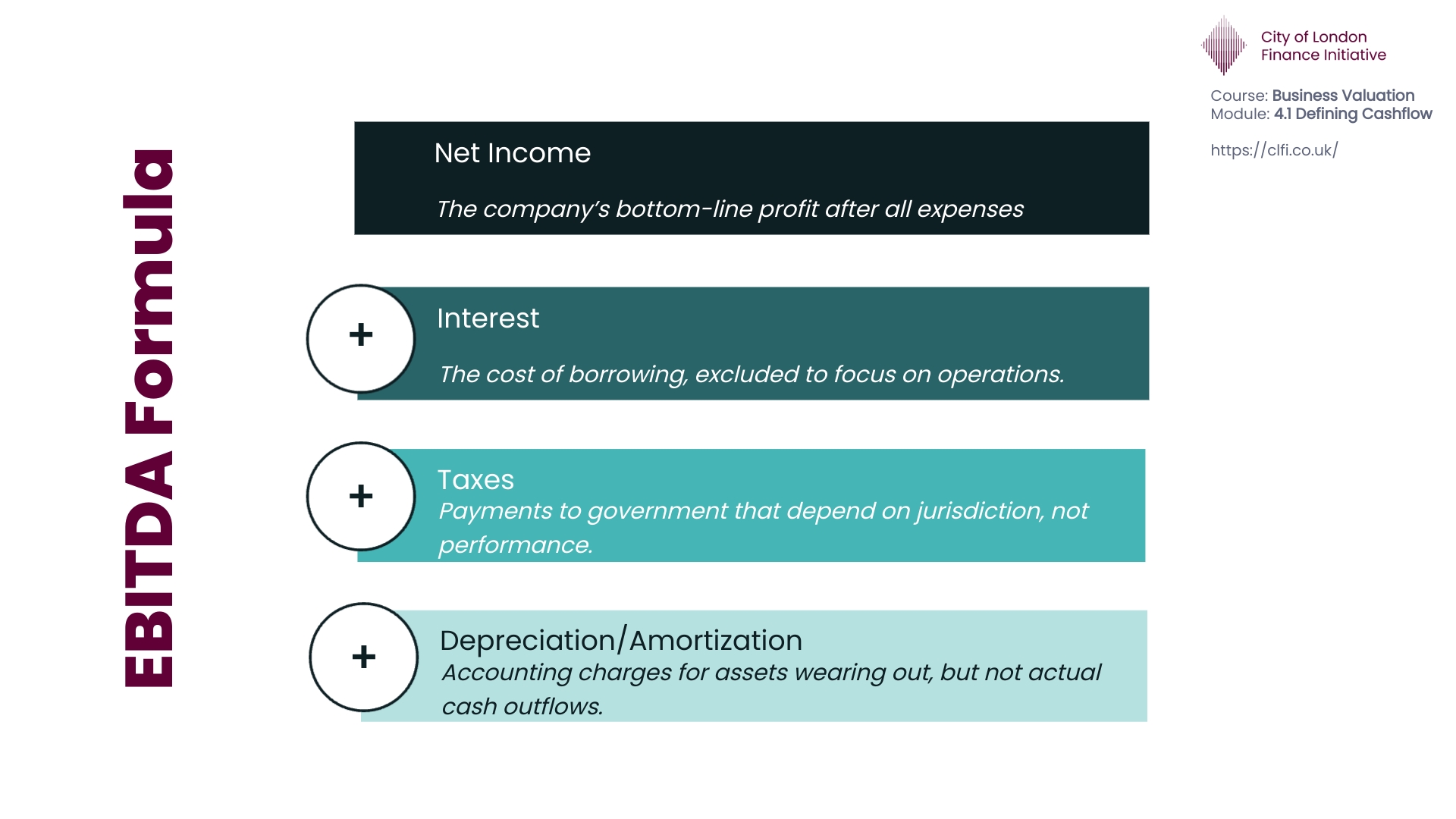
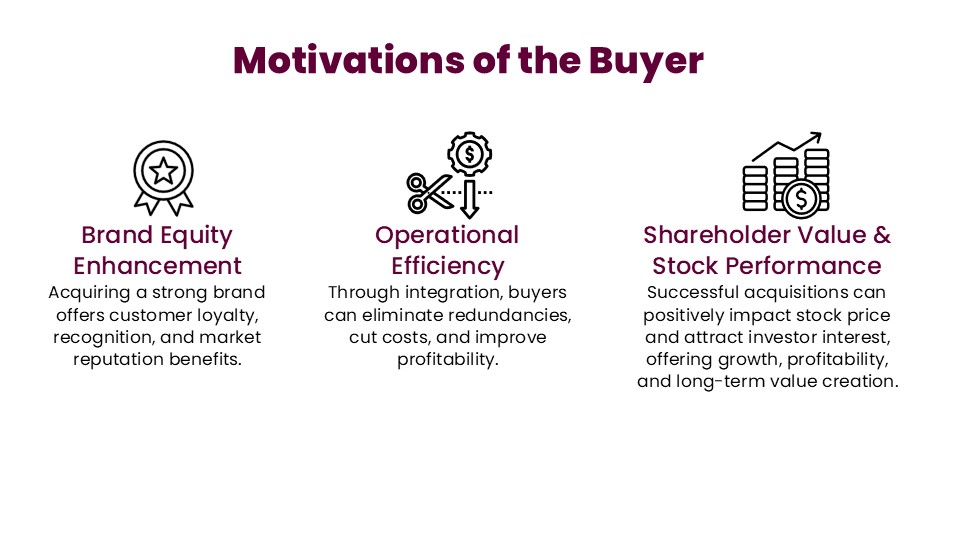
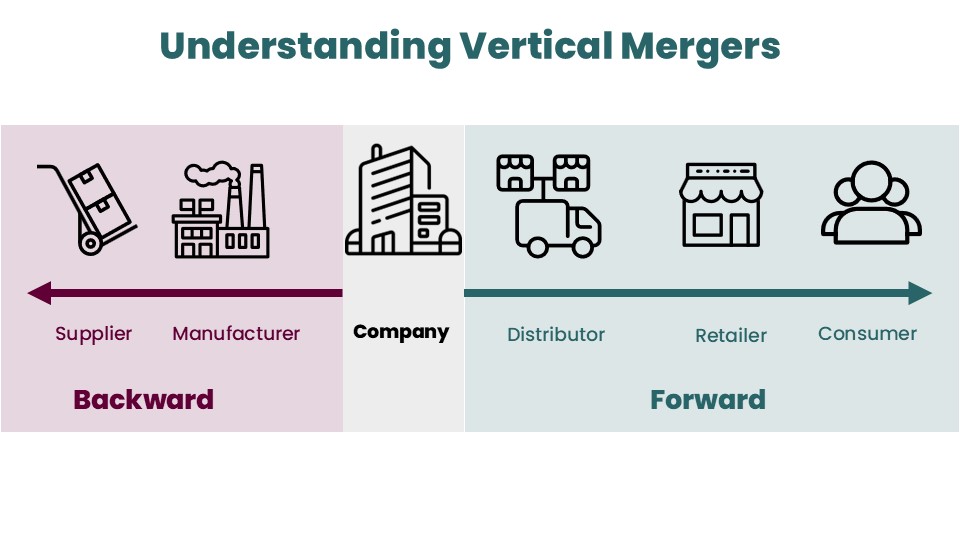
The CLFI Executive Programme integrates governance with rigorous modules in Corporate Finance, Business Valuation, and Mergers & Acquisitions — the analytical pillars of informed decision-making. Participants learn to analyse capital structure, measure the cost of equity and debt, and apply free cash flow (FCF) valuation methods. Within the Business Valuation module, directors work through Discounted Cash Flow (DCF) and market multiple techniques to assess enterprise value under varying capital assumptions. In M&A, they examine how financial modelling supports synergy analysis and acquisition pricing, translating technical concepts into board-level insight.
This level of financial training transforms how boards interpret data. Directors move beyond surface indicators, examining liquidity, leverage, and working capital efficiency through the lens of shareholder value.


Risk Oversight and Strategic Judgement
A well-trained board recognises that every strategic decision involves uncertainty. Directors must evaluate not only financial but also operational, reputational, and ethical risks. Training in risk oversight strengthens the board’s ability to balance entrepreneurial drive with disciplined control.
The best programmes use case studies to illustrate real-world failures and successes. For example, examining Tesla’s governance structure or the Hilton buyout by private equity firms helps participants see how oversight decisions affect valuation, stakeholder trust, and long-term performance:contentReference[oaicite:1]{index=1}. These practical applications transform abstract theory into boardroom-ready experience.
Developing Board Culture and Performance
Beyond individual knowledge, effective boards depend on the quality of their culture — how members communicate, challenge, and collaborate. Training therefore extends into behavioural areas such as leadership, ethics, and group dynamics. A diverse and well-functioning board harnesses constructive tension, integrates varied perspectives, and sustains transparent decision-making processes.
Board evaluations, whether internal or external, are a vital part of this development. They assess how well the board functions collectively, ensuring that training leads to measurable improvements in governance quality and strategic impact.
Board Training in Practice
The most effective director training blends academic rigour with real-world application. At CLFI, programmes are designed for executives, entrepreneurs, and board members who seek to operate confidently at the intersection of finance and governance. Delivered through online, hybrid, or in-person formats in the City of London, the curriculum enables participants to balance professional commitments while engaging deeply with finance and governance topics.
Board training is not remedial — it is strategic. It ensures that directors, whether new or experienced, remain current in regulation, valuation methods, and risk frameworks. For organisations, it strengthens governance resilience and reduces exposure to reputational and compliance risks. For individuals, it enhances credibility and widens the scope for future board appointments.
Flexible Learning for Executive Agendas
For most senior professionals, attending multi-day business school residencies is simply not practical. Between board meetings, project demands, and client commitments, clearing four consecutive days for an intensive classroom course often comes at the expense of operational priorities. The opportunity cost — both in time and business focus — is significant, and so too is the financial cost of traditional residential programmes that limit participation to a small leadership circle. This makes the democratization of executive-level knowledge across an organisation difficult to achieve.
CLFI’s online executive programmes are designed to remove these barriers without compromising academic depth or applied relevance. Participants access the full content of a business-school-standard curriculum through flexible self-paced modules, interactive assessments, and practitioner-led case studies. This format allows directors, founders, and managers to engage with complex topics — such as valuation modelling or governance frameworks — at their own pace, integrating learning seamlessly into their working week rather than stepping away from it.
The result is a modern approach to executive learning: one that combines rigour with accessibility. Whether you are a seasoned executive, an emerging leader, or a strategic adviser, strengthening financial fluency online provides the same intellectual return as an in-person masterclass — but with the added advantage of flexibility and immediate applicability to your ongoing work.
Grow expertise. Lead strategy.
Build a better future with the Executive Certificate in Corporate Finance, Valuation & Governance.
Explore Further from CLFI Insight
- Introduction to Private Equity
- What is Corporate Finance?
- The UK Corporate Governance Code: Principles and Practice
- Board Committees: Roles and Responsibilities
Explore the Corporate Governance module and download the brochure: Executive Certificate in Corporate Finance, Valuation & Governance.