
Revenue Recognition: Definition, Principle and Examples

Revenue recognition determines when a company records revenue. Learn the IFRS 15 five-step model, common methods, and worked examples.
Economies of Scale: Definition, Types and Examples
Economies of scale explained — what they are, how internal and external types differ, and why they matter for cost analysis and business valuation.
Multiple on Invested Capital: Formula Explained
MOIC, the multiple on invested capital, shows how many times capital was returned but ignores whether a 3.0x result took three years or ten.
Investment Banking vs Commercial Banking Explained

Investment banking and commercial banking differ in how they earn, what risks they carry, and how they serve clients across financial markets.
Leverage Ratios: Formulas, Benchmarks and Limits
Leverage ratios measure debt against equity or earnings, with Net Debt/EBITDA covenants typically set between 3.0x and 4.0x for investment-grade borrowers.
M&A Valuation Methods: A Practical Guide
How companies are valued in M&A: from DCF to deal comps and precedent transactions, explained for finance professionals.
Return on Equity Formula (ROE): Calculation & Examples

The return on equity formula divides net income by average shareholders’ equity. Learn to calculate ROE, interpret results, and apply DuPont analysis.
WACC: Formula, Cost of Debt & Capital Explained | CLFI
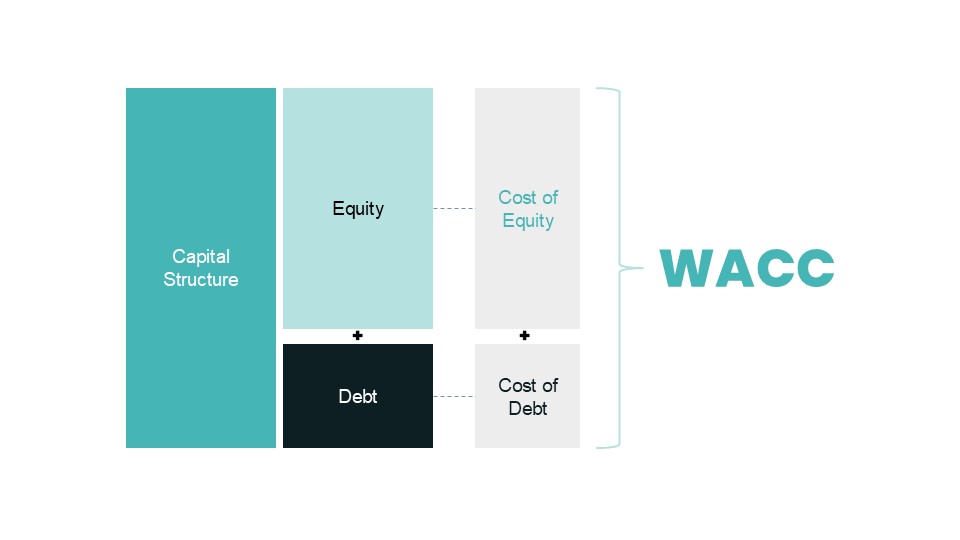
Learn what WACC means, how to calculate it, and why it matters for valuation and corporate finance. Includes formula and worked example.
Metrics, KPIs and OKRs: The Pyramid Framework Explained
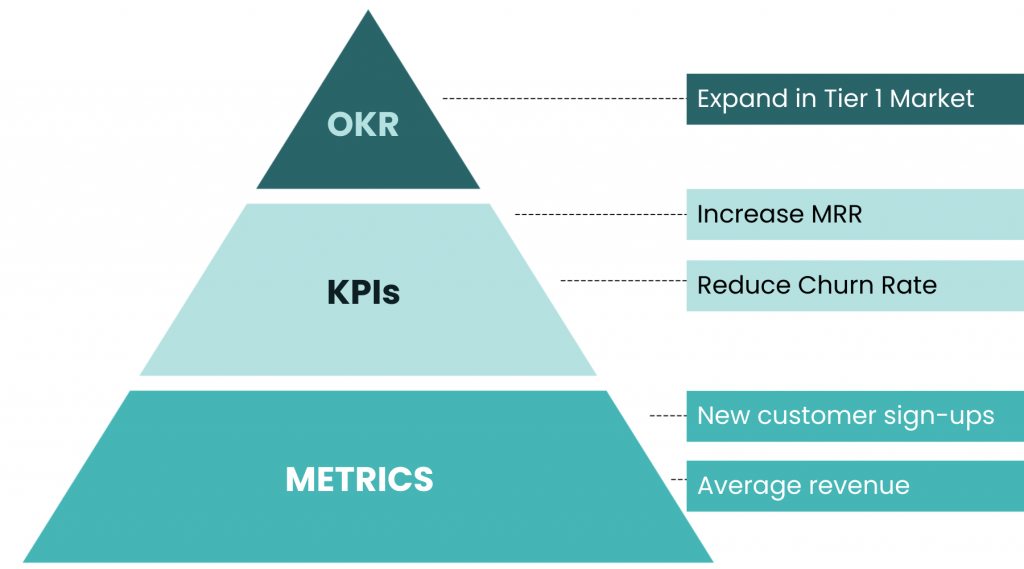
A clear executive explanation of how metrics become KPIs, and KPIs become OKRs, using a practical pyramid framework for reporting and strategy.
Beyond the Hype: Generative AI Explained for Finance & Governance
Generative AI is reshaping finance, strategy, and governance. Learn what it actually does, where it adds value, and where leaders should remain cautious.