
Table of Contents
Corporate Finance Career Path: Build Strategic Expertise for the Boardroom
- 8 min read
Corporate finance is not simply about numbers, it is about direction. Every capital decision, from an acquisition to a divestment, signals a company's priorities and long-term intent. At its core, corporate finance defines how organisations fund themselves, allocate capital, and create sustainable value over time. Because every major corporate move, whether launching a product line or executing a merger, passes through a financial lens, senior leaders who understand these mechanics are better placed to make decisions that hold up under scrutiny.
In practice, corporate finance shapes how companies balance growth against risk, structure their funding, measure returns, and communicate value to shareholders and stakeholders alike. Whether evaluating a capital project, assessing an acquisition, or managing investor expectations, finance fluency gives leaders the clarity and confidence their roles demand. As a result, professionals across strategy, operations, and general management are increasingly investing in structured financial education to speak the language of the boardroom, and to be taken seriously when they do.
Why Learn Corporate Finance? The Career Impact
For many professionals, studying corporate finance is not just about technical mastery, it is about being ready to lead strategically. The ability to understand how financial decisions drive value creation has become a defining quality of modern executives. From board contributors and consultants to business owners and entrepreneurs, finance literacy strengthens decision-making authority and accelerates career progression, because it shifts the nature of the contribution a professional can make.
For accounting professionals, learning corporate finance provides a route from spreadsheet and reporting roles toward more strategic responsibilities. For those working in financial planning, analysis, or operations, it sharpens investment evaluation and business case development. And for executives moving toward board-level roles, it builds the confidence to engage credibly with CFOs, investors, and advisers. Although the specific benefit varies by background, the underlying pattern is consistent: professionals who develop corporate finance skills tend to move faster, earn more, and take on broader responsibilities than those who do not.
Key Learning Areas in Corporate Finance
A well-designed corporate finance course brings together valuation, governance, and investment disciplines into one coherent framework. At CLFI, these topics form the foundation of the Executive Certificate in Corporate Finance, Valuation & Governance, structured around four interconnected modules that build on each other as the programme progresses:
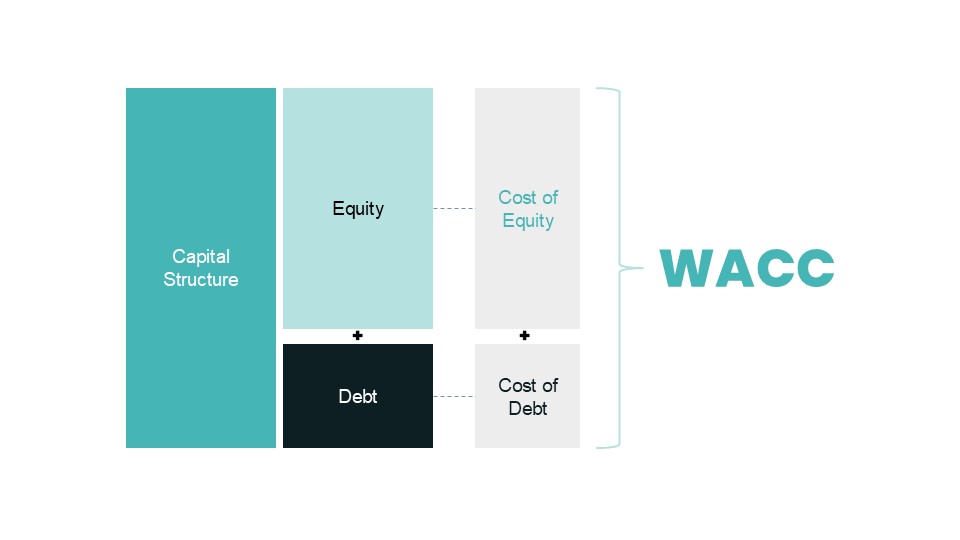
- Corporate Finance: Capital structure, cost of capital (WACC), and the balance between risk and return. Participants learn how companies fund growth, assess financing options, and make capital budgeting decisions that align with long-term strategy.
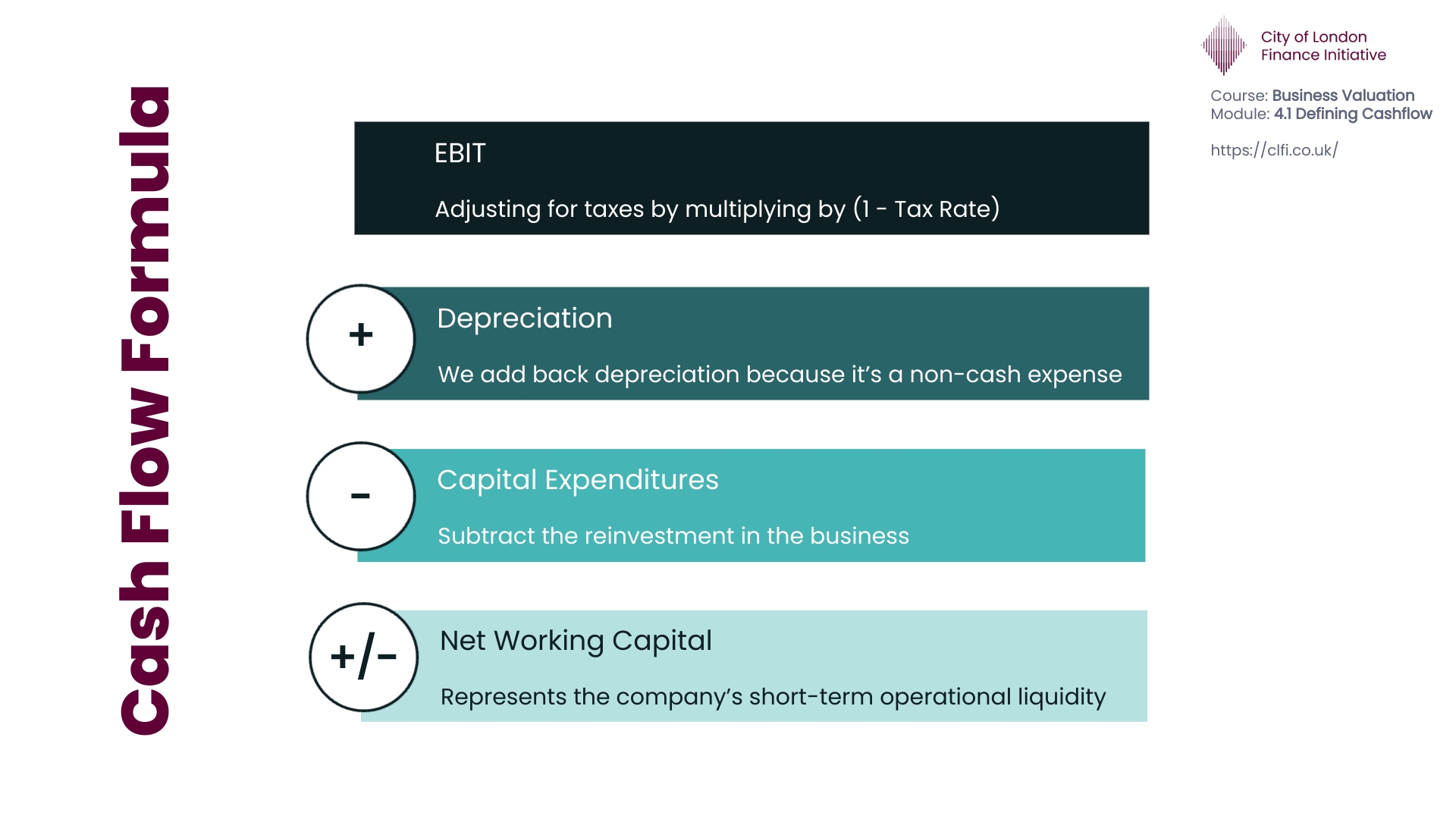
- Business Valuation: Discounted Cash Flow (DCF), Net Present Value (NPV), Internal Rate of Return (IRR), and market multiples. These tools form the analytical foundation of investment evaluation and M&A decision-making.
- Corporate Governance: Board structures, accountability, and ethical oversight. Understanding governance principles ensures that financial decisions are aligned with transparency, performance, and long-term stakeholder value.
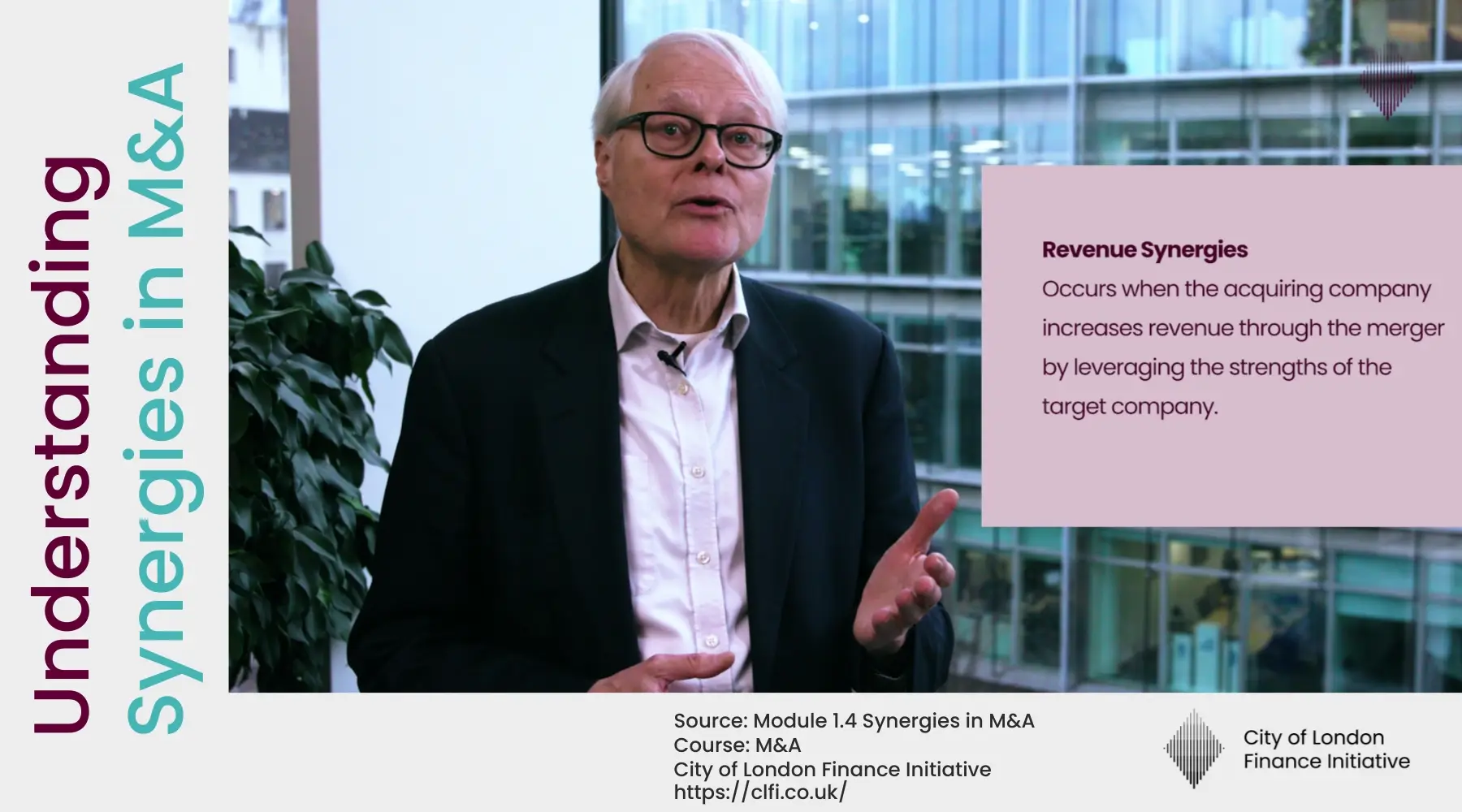
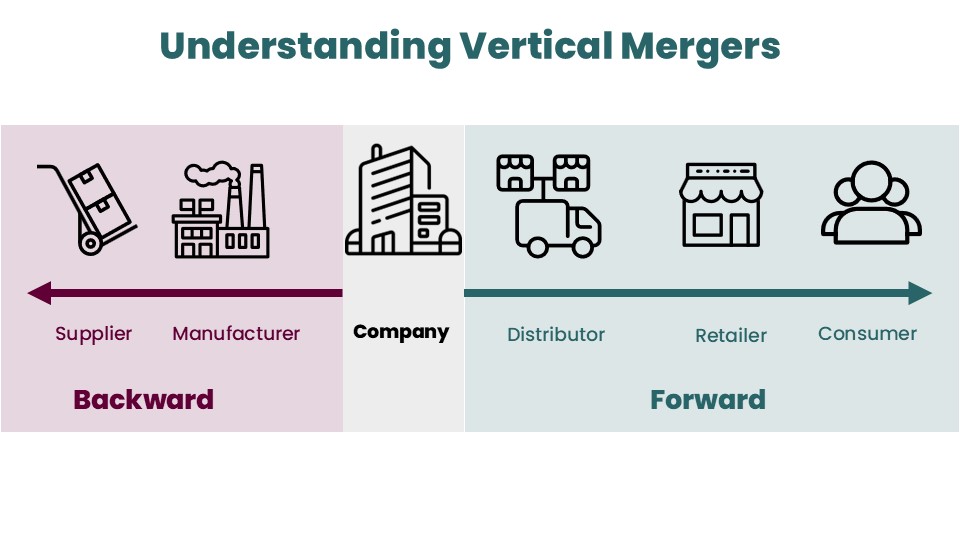
- Private Equity & M&A: Deal structuring, exit strategies, and synergy creation. This module explains how investors assess opportunities and how corporate leaders negotiate and integrate acquisitions effectively.
The programme's case studies, including the Hilton buyout by Blackstone and its later IPO, as well as the Essilor–Luxottica merger that formed the world's largest eyewear company, illustrate how corporate finance decisions translate directly into market-defining outcomes. Rather than learning concepts in isolation, participants analyse real transactions, valuation models, and governance frameworks drawn from the City of London's deal-making environment, so the learning remains grounded in what actually happens in practice.
Capital Is a Resource. Allocation Is a Strategy.
Learn more through the Executive Certificate in Corporate Finance, Valuation & Governance – a structured programme integrating governance, finance, valuation, and strategy.
Career Pathways in Corporate Finance
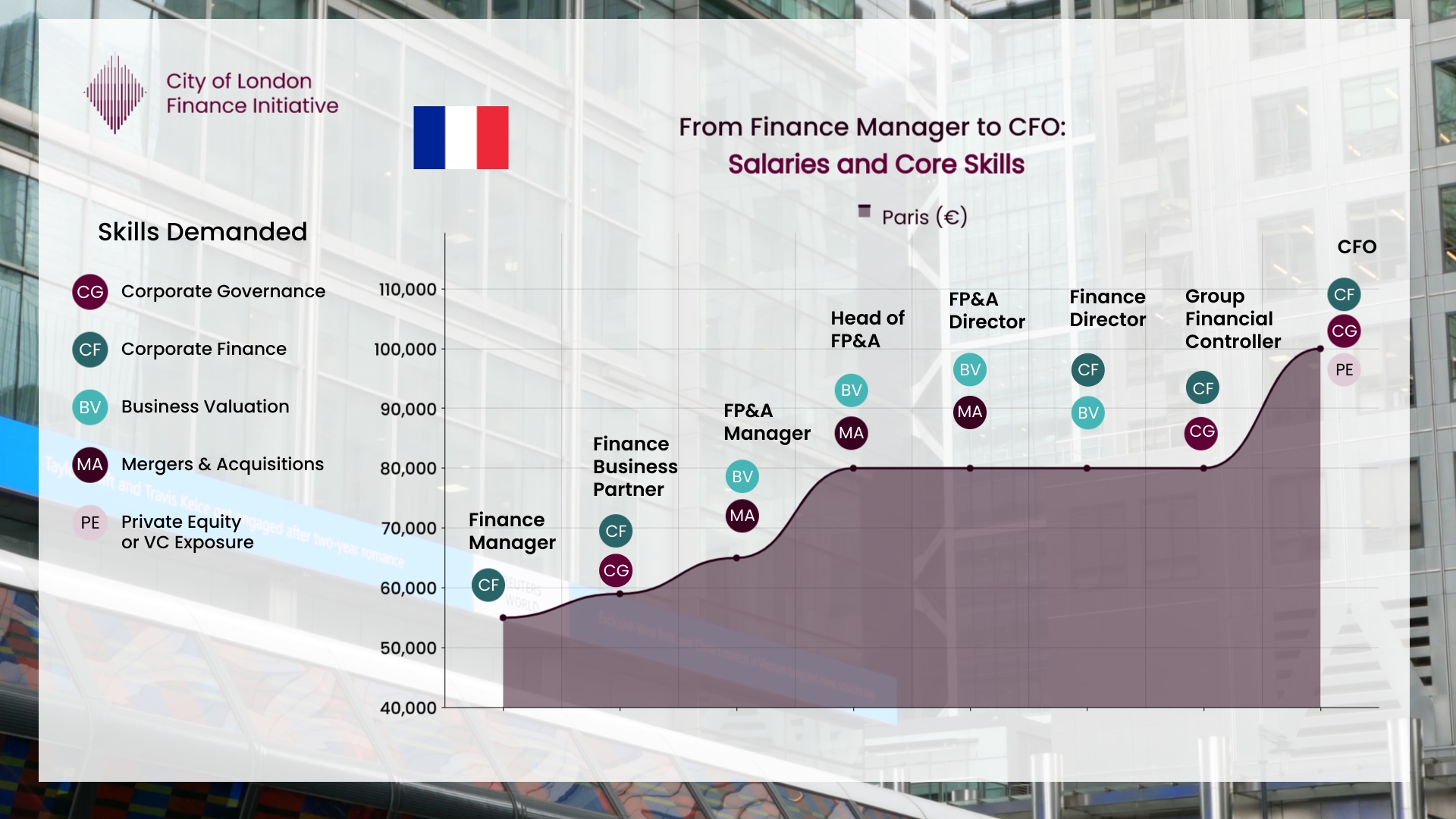
Corporate finance offers multiple entry points and progression routes, both vertical and lateral. Typical paths begin with analyst or associate roles focused on financial modelling and planning, and from there professionals often move into positions such as Finance Manager or FP&A Lead, where they manage budgets, forecasts, and business performance. The next stages include strategic roles such as Corporate Development, M&A Lead, or Head of Finance, which blend financial analysis with executive-level decision-making, and where the ability to communicate financial logic clearly becomes as important as the technical skill itself.
At the top of this trajectory sits the Chief Financial Officer or Board Adviser, roles where financial insight informs enterprise-wide strategy. Beyond vertical progression, however, corporate finance also opens lateral opportunities. Many entrepreneurs, consultants, and even product leaders find that understanding financial frameworks allows them to evaluate investment opportunities more rigorously and articulate value more clearly to investors. Because of this, the skills are transferable across industries and organisational types, not just within traditional finance functions.
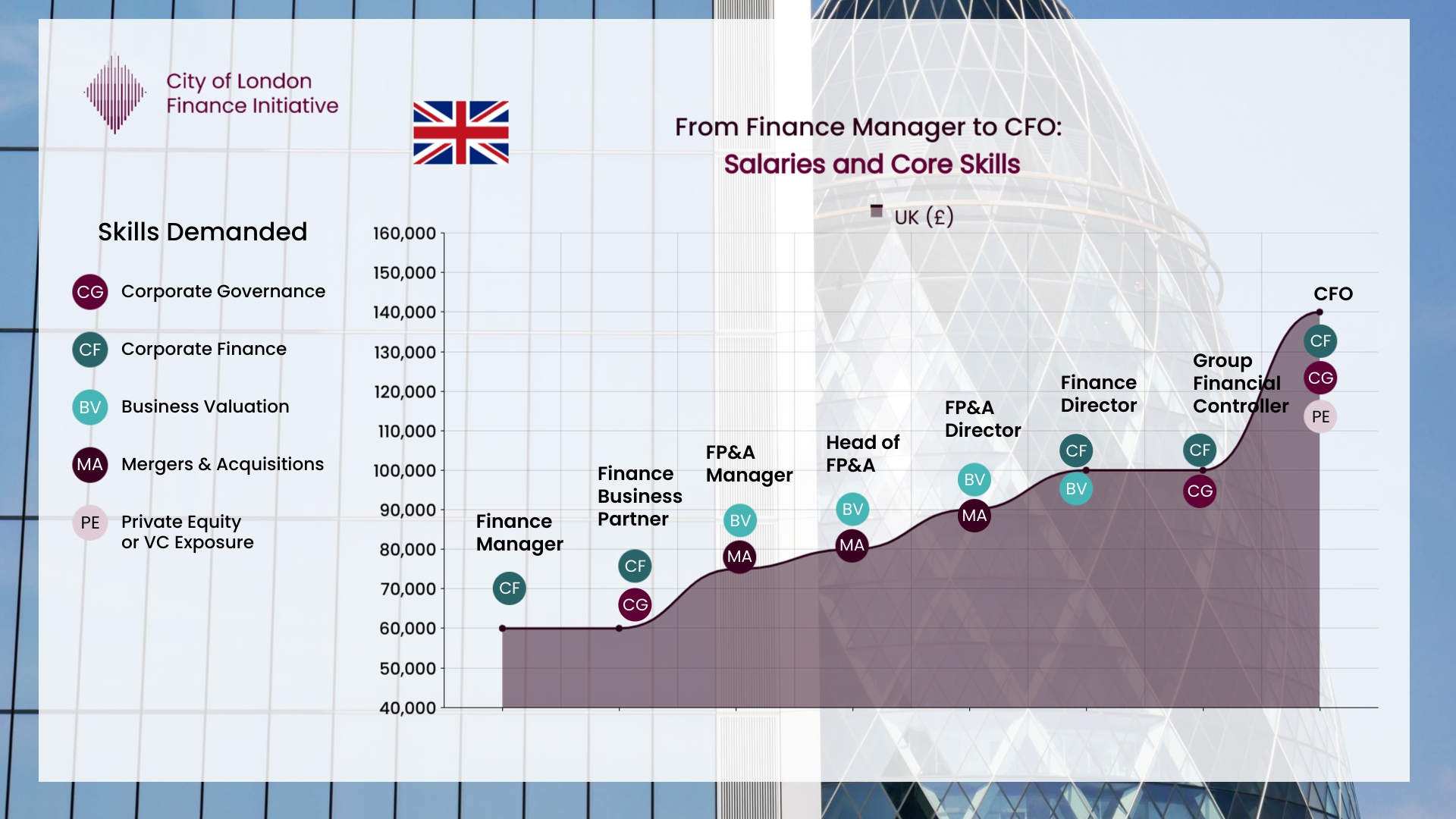
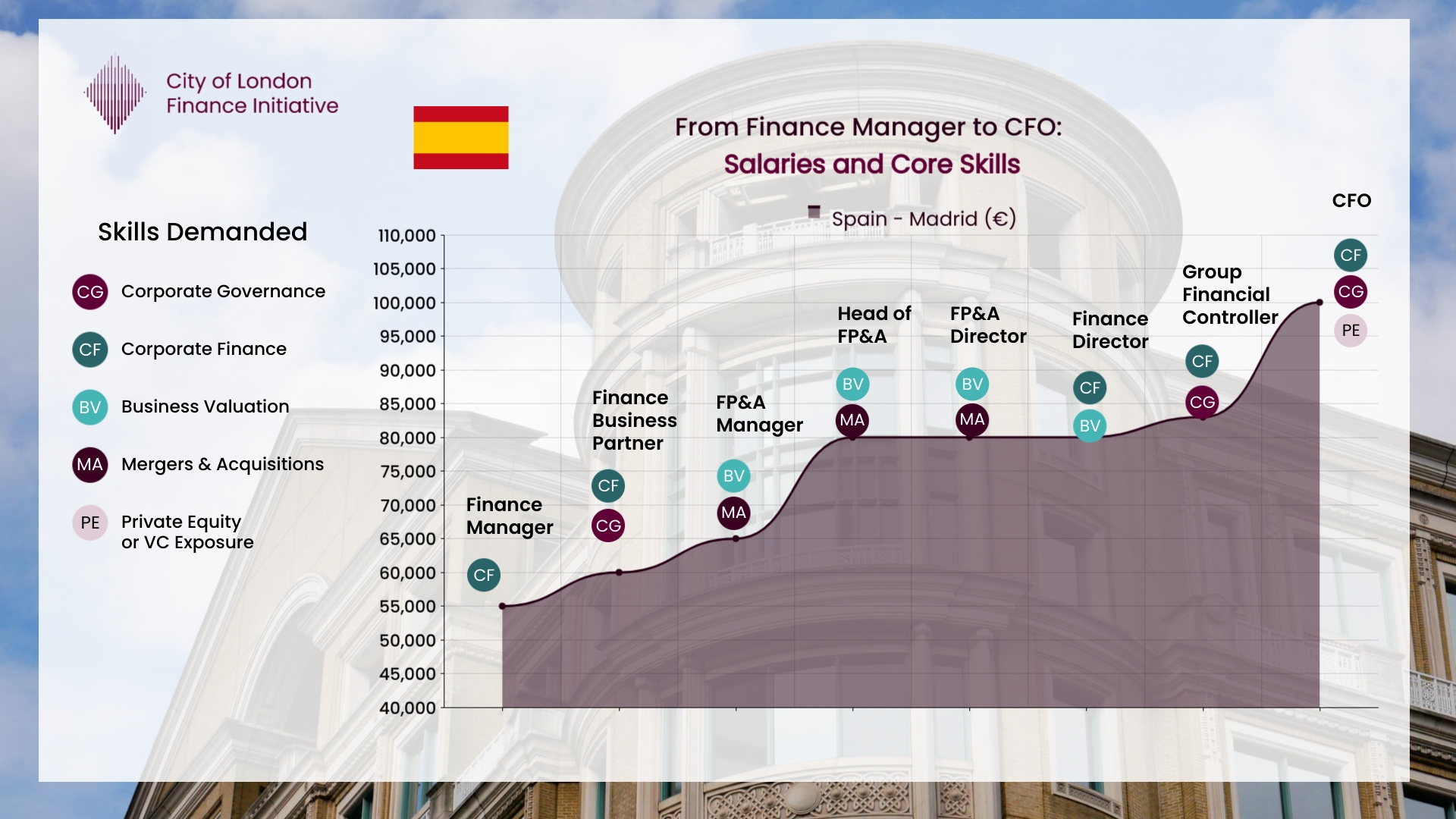
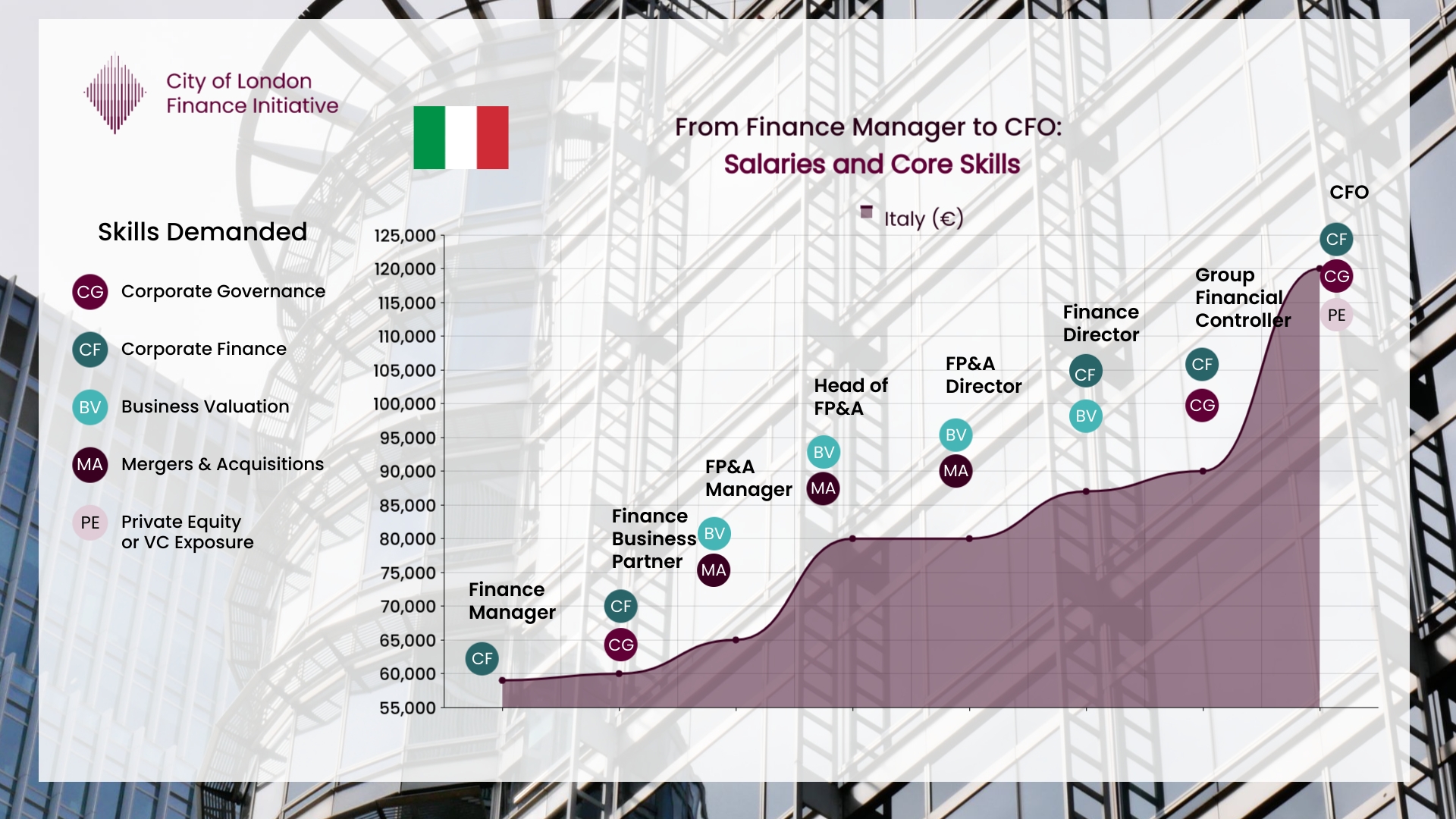
Professionals working in or alongside private equity-backed companies also benefit significantly from this knowledge. As private capital increasingly replaces public markets as the dominant source of funding across many sectors, corporate finance skills are essential for those advising on valuation, deal structuring, or governance. Moreover, CLFI's research across London, Paris, Milan, and Madrid shows a consistent link between the depth of corporate finance expertise professionals hold and their long-term compensation trajectory. Skills in valuation, investment analysis, and private markets are in high demand across FP&A, strategy, M&A, and private equity, making corporate finance one of the strongest drivers of both career progression and salary growth.
What to Look for in a Corporate Finance Course
Selecting the right corporate finance course is as strategic as the subject itself, and it warrants the same rigour applied to any significant professional investment. The best programmes combine academic depth with real-world application, because conceptual knowledge without practical context does not prepare professionals for the decisions they will actually face. Practitioner-led instruction ensures that topics such as valuation and capital structure are grounded in current market conditions, not only in textbook models built on simplified assumptions.
Professionals should prioritise programmes that include hands-on case studies and offer genuine flexibility in delivery, whether online, hybrid, or in-person. The learning environment also matters: peer interaction, access to experienced faculty, and exposure to London's financial ecosystem all add context and depth to what is covered in the curriculum. In addition to content quality, CPD accreditation is worth confirming, since it formalises the learning for professional record purposes and aligns the programme with the standards expected by many employers and professional bodies.
The City of London Finance Initiative (CLFI) offers a uniquely flexible model to accommodate different working schedules and learning preferences. Participants can study entirely online, follow a hybrid format that combines online modules with in-person masterclasses, or attend intensive three-day sessions in London's financial district. This range of options ensures that senior professionals can access high-quality executive education without having to step back from their professional commitments, which is often the practical constraint that prevents learning from happening at all.
How CLFI Bridges Learning with Real-World Application
The Executive Certificate in Corporate Finance, Valuation & Governance is designed to equip professionals with the analytical and strategic tools needed to lead confidently in complex financial environments. Led by faculty member Edward Bace, Senior Lecturer in Corporate Finance and former Director at S&P, the course connects advanced academic content with real-world application in a way that reflects how decisions are actually made at executive and board level.
Participants work through practical valuation exercises, governance theory and practice, and M&A case studies that mirror the challenges faced in senior finance and board roles. Because the instruction is practitioner-led, the discussion moves beyond formula and into judgement: why was this acquisition priced the way it was, what did the board miss in its governance review, and when does a capital structure become a liability rather than an advantage? These are the questions that matter in the boardroom, and they are the questions the programme is built to address.
In practice, the professionals who benefit most from structured corporate finance learning are not those who lack analytical ability, but those who have built depth in one domain, whether accounting, operations, or strategy, and are now expected to contribute to decisions that cross into valuation, deal logic, and governance oversight. The return on that investment is not simply a credential, it is the capacity to sit in a boardroom, challenge an acquisition model with confidence, and lead the conversation about whether the price is justified, the capital structure is sustainable, and the governance framework is adequate. That capacity is developed through structured learning, not assumed with seniority.

Further Reading
- Finance Manager to CFO: Skills and Progression
- How Investment Decisions Are Evaluated at Board Level
- CFO Qualifications in the UK: Credentials and Career Requirements
- Finance Salaries Across European Hubs: London, Paris, Milan, and Madrid
- What Corporate Finance Covers: A Structured Introduction
Learn more about the Executive Certificate in Corporate Finance, Valuation & Governance, available online, hybrid, and in London.
Capital Is a Resource. Allocation Is a Strategy.
Learn more through the Executive Certificate in Corporate Finance, Valuation & Governance – a structured programme integrating governance, finance, valuation, and strategy.