
M&A Valuation Methods: A Practical Guide

How companies are valued in M&A: from DCF to deal comps and precedent transactions, explained for finance professionals.
Return on Equity Formula (ROE): Calculation & Examples

The return on equity formula divides net income by average shareholders’ equity. Learn to calculate ROE, interpret results, and apply DuPont analysis.
WACC: Formula, Cost of Debt & Capital Explained | CLFI
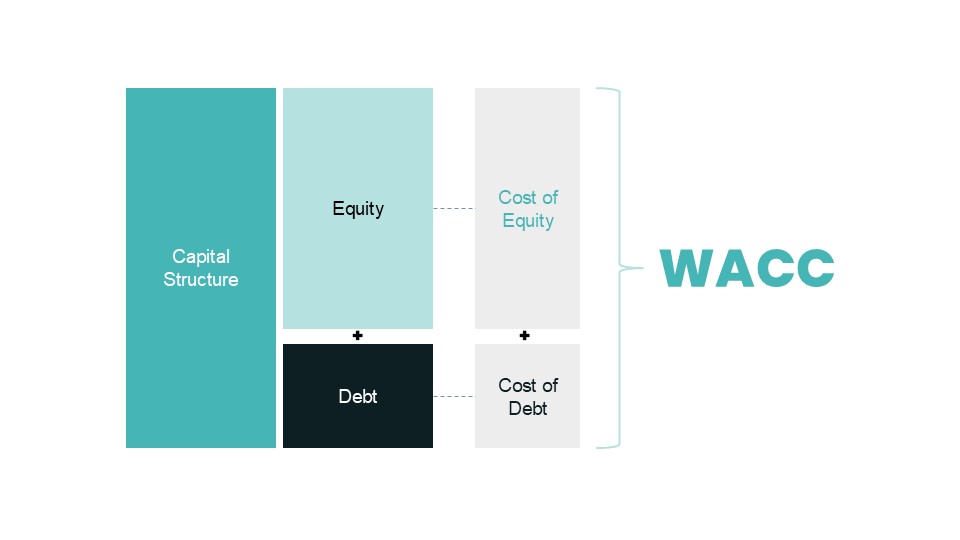
Learn what WACC means, how to calculate it, and why it matters for valuation and corporate finance. Includes formula and worked example.
Metrics, KPIs and OKRs: The Pyramid Framework Explained
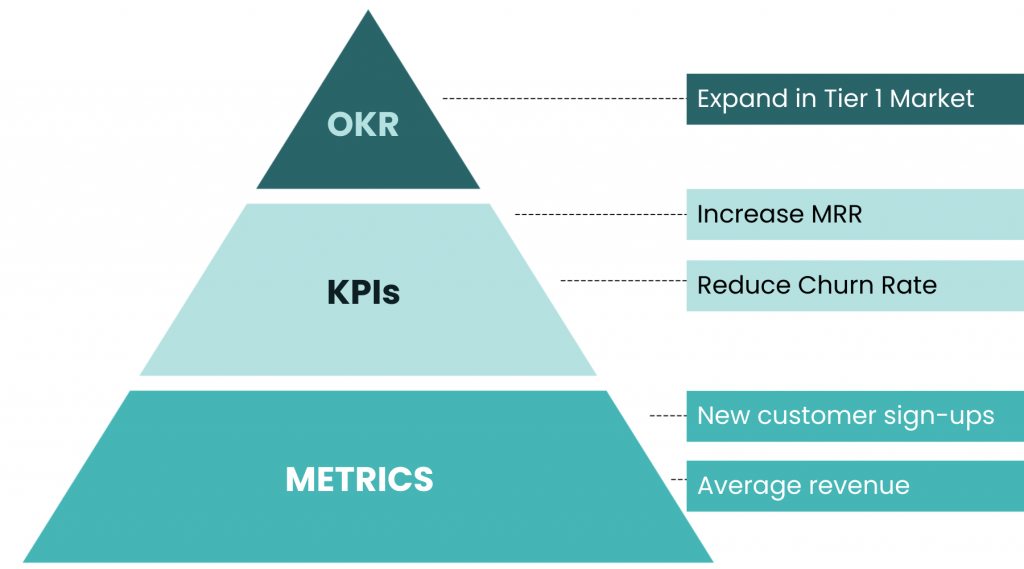
A clear executive explanation of how metrics become KPIs, and KPIs become OKRs, using a practical pyramid framework for reporting and strategy.
Beyond the Hype: Generative AI Explained for Finance & Governance
Generative AI is reshaping finance, strategy, and governance. Learn what it actually does, where it adds value, and where leaders should remain cautious.
What Is a Provision in Accounting? | Accounting Series | CLFI
An overview of what a provision is in accounting, how it is recognised and measured, and how it differs from contingent liabilities.
Levered Free Cash Flow (LFCF)? Definition and Formula

Levered Free Cash Flow (LFCF) shows the cash available to shareholders after debt payments. Learn its definition, formula, and use in equity valuation.
What Is Unlevered Free Cash Flow (UFCF)? Definition and Formula
Unlevered Free Cash Flow (UFCF) measures cash generated by a business before financing decisions. Learn its definition, formula, and role in valuation.
Current Ratio and Quick Ratio Explained (Liquidity Analysis)
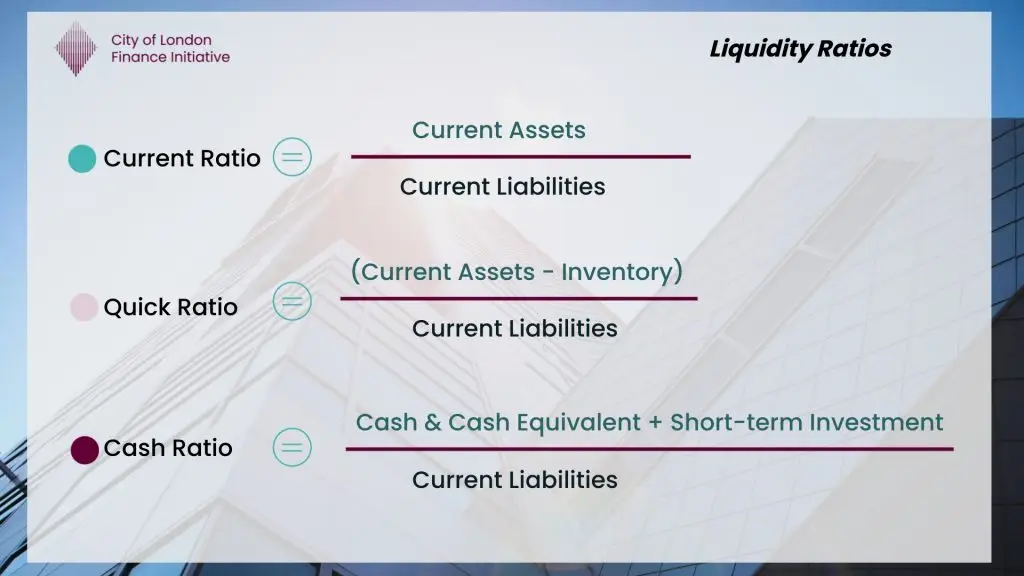
Understand the current ratio and quick ratio, how they measure liquidity, and how boards use them to assess short-term financial resilience.
What Is CAPEX? Meaning, Examples, and AI Era Use

Learn what CAPEX means in finance, how it differs from OPEX, and how capital expenditure is used today in software, cloud, and AI infrastructure.
